
Supporting Our Therapists After Critical Incidents
Thoughtful guidance, shared experience, and trauma-aware support for therapists and supervisors
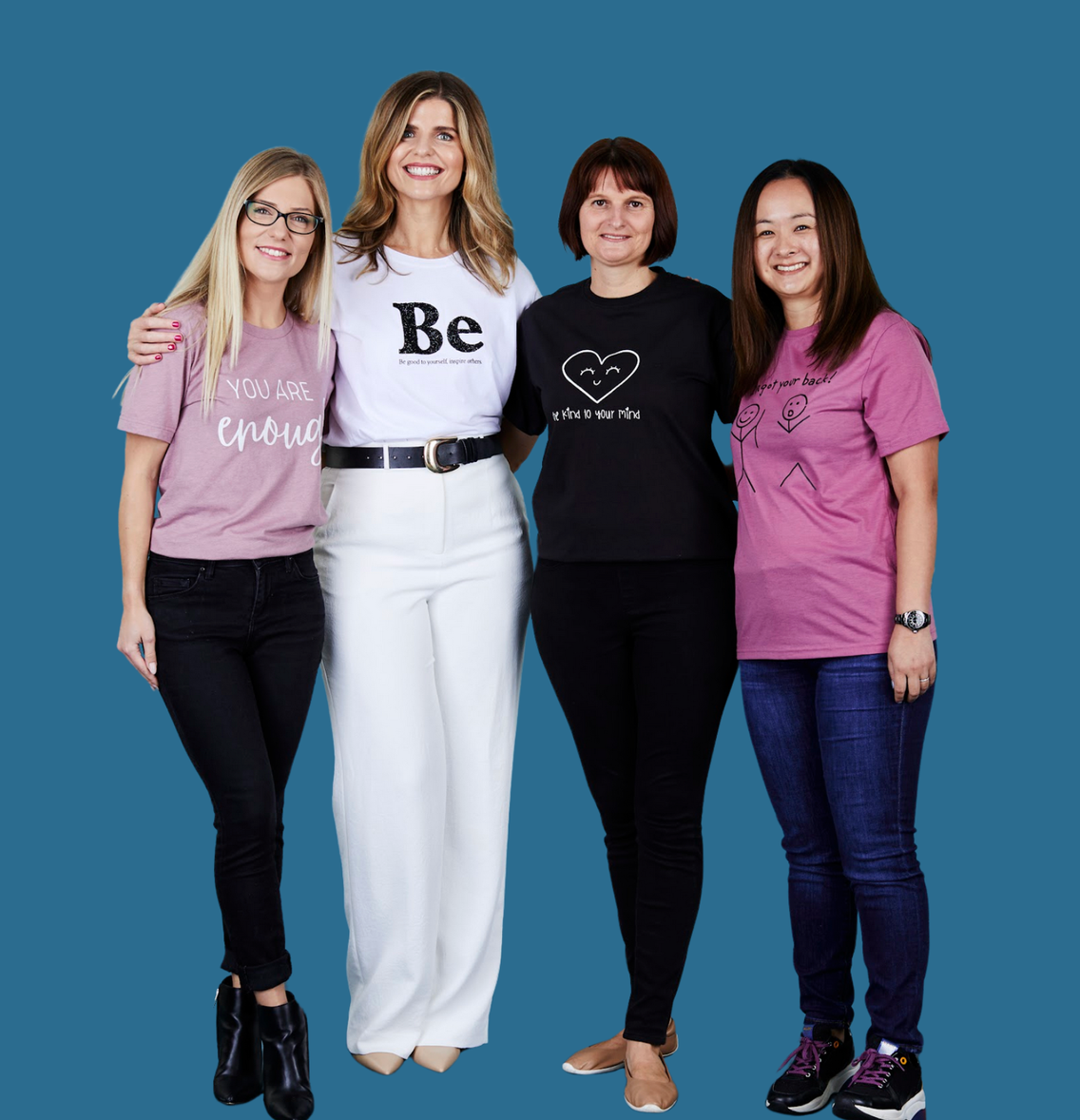
A few of our dynamic therapists at Here Completely
Why This Conversation Matters
Critical incidents—acts of violence, hate crimes, sudden loss, and community trauma—do not stay neatly outside the therapy room. They move through clinicians, supervisors, students, agencies, and communities.
In the wake of events such as the Bondi Beach shootings, many therapists are supporting others while also managing their own reactions. This page brings together expert insight, lived clinical experience, and practical guidance for those moments when our professional and personal worlds intersect.
This is about therapists helping therapists.
And community showing up for community.
Video Interview — Supporting Therapists After Critical Incidents
In this conversation, Jennifer Perkins, LMFT, and Dr. Colleen Peterson, PhD, LMFT explore how therapists and supervisors can respond thoughtfully and ethically after critical incidents occur in their communities.
Dr. Peterson is a Clinical Director and Assistant Professor of Marriage and Family Therapy with decades of experience in trauma work, disaster mental health response, and supervision. Her willingness to share this knowledge is a meaningful contribution to our professional community.
Critical incidents impact not just individuals, but entire systems — including the clinicians supporting others
Have Personal Awareness
A critical incident is an unexpected, overwhelming event that disrupts a sense of safety and continuity. For therapists and supervisors, these moments often raise questions about capacity, boundaries, supervision, and self-care.
Understanding the clinical impact of critical incidents allows us to respond with clarity rather than urgency — and with compassion rather than self-judgment.
It’s okay Not to be okay
Strong reactions are not a sign of weakness — they are a sign of being human.
Heightened emotional responses or fatigue
Difficulty concentrating or returning to routine work
Increased protectiveness or hyper-vigilance
Personal trauma histories being activated
Questions about readiness, boundaries, or ethical responsibility
These responses are normal and deserve acknowledgment rather than minimization.
Modeling Self of the Therapist
Trauma-informed supervision is paramount after a critical incident. It emphasizes:
Psychoeducation and normalization
Permission to slow down
Peer support and consultation
Attention to self of the therapist
Respecting individual capacity and timing
Sometimes, the most therapeutic response is simply presence without pressure.
Short on Time? Read the Key Takeaways
Not everyone has time for a full video. Below are key reflections drawn directly from the conversation.
Self of the Therapist Matters
Clinicians don’t step outside their humanity during a crisis. Acknowledging our own reactions helps us show up more honestly and ethically
You Don’t Have to Be the Expert
It’s okay to not have all the answers. Modeling help-seeking is part of trauma-informed leadership.
Community Heals in Relationship
Peer connection and shared space are often more powerful than individual coping strategies
-
0:03 Hi everybody. I'm Jennifer Perkins. I'm a marriage and family therapist and I'm 0:09 a counselor here in Australia. And I'm going to be talking today with Dr. Peterson. We're going to be talking 0:15 about um working with critical incidents and um self of the therapist. Um Dr. 0:22 Peterson, you want to introduce yourself? Sure. I'm uh Dr. Colleen Peterson. I'm 0:28 also a marriage and family therapist. I am the clinical director and assistant 0:33 professor of marriage and family therapy at Utah Valley University uh here in 0:38 Orm, Utah. Um let's see what you want to know a little bit more. I have a PhD in 0:44 marriage and family therapy as well as a master's degree in marriage and family therapy. I've been uh teaching marriage 0:50 and family therapy for over 21 years now. Um love it, passionate about it. 0:56 Um, yeah. And and the burning question on everybody's mind right now, it's 1:02 Christmas time. Do you have snow? We have snow in the mountains. Uh, like 1:07 a week ago, we had some some snow down in the valley, but it didn't stay. Oh, that's a shame. 1:15 Um, okay. So, I'm thinking that um 1:21 that we're just we're just I' I've got some questions about um some critical 1:26 incident stuff that's happened. I know that you guys were you guys just had a you guys just had a major incident 1:32 happen. Can you talk a little bit about about what happened and kind of what what your role in this was? 1:40 Yeah. So, here at uh Utah Valley University, we had a shooting of a guest 1:45 speaker here on campus, Charlie Kirk. Um that happened September September 10th, 1:52 I believe it was. Um yeah, so I was here on campus, my students were here on 1:58 campus. The the students were on a break. Um, I had just been up to what we 2:03 call the Hall of Flags, which overlooks the the courtyard where the event was 2:09 happening. I had just left uh prior to the shot going off. Um, and no sooner 2:16 got down to my office. My building where my office is is right adjacent to the courtyard. Um, and so, uh, as I was 2:24 getting to my office, we went into lockdown, um, knowing that there was an active shooter, but not knowing the 2:29 extent of the active shooter. Okay. So, as a, um, as a therapist and 2:35 supervisor, you were right in the middle of this incident. It like it happened in your space. 2:41 Yeah, it happened in our space. I had just passed three of my students. Uh, they were going the other way. Um and 2:48 then one of those students whom I had passed came down and was in lockdown with me in my office. Um so just trying 2:56 to help keep things calm. Um as as we didn't know what was going on with the 3:02 active shooter on campus. Okay, that sounds really really terrifying. Yeah, it was pretty pretty scary. Pretty 3:08 scary for the students. Um my my next door neighbor officemate um had several 3:14 students as well. Um, and our our office is is right off where the stairs come 3:20 down. So the the overlook of the courtyard, um, you have to come down 3:26 from that because it's up on the the floor above us. And so like a bunch of students were coming down. My my office 3:33 mate, she actually had some there were some high school students that um happened to be on campus and they just 3:40 pulled in with some of our students into her office as well. 3:45 Okay. So, you went through this and then you had to be the therapist and 3:51 supervisor dealing with all the students going through this. Yeah. So, I I I really wasn't in a 3:58 therapist role per se, right? I was more as a supervisor and a faculty instructor. Um but yeah, so we went into 4:07 lockdown. Um and they were just like, "Get out, get out, get out." Um, so I 4:14 piled like six or seven students into my car. I'm I have privilege as a faculty, right? Like I have parking right there 4:20 by the building, but the students were way out parked on the way other side of the building. So I was like, just just 4:26 pile in my car. I'm going to take you over there to get you to your vehicle to get you out of here as as soon as possible. 4:33 Uh, okay. So that sounds that sounds really terrifying, by the way. Um, so 4:39 you you guys you guys you're right in the middle of it. you experienced the whole thing. Um, and then you got to you 4:46 got to come back and help these new therapists get through this ordeal and 4:52 um, uh, still work in the center. Did you guys close the center down? Did they h Did you have clients coming in 4:59 and they had to like notify clients to not come into the onampus clinic? 5:05 Um, yeah. Did they have to work online or did it just did you guys give them a No. So the 5:12 university was actually closed um the university closed um for about it was closed it was tears 5:20 and it changed but it was closed down for at least those two days because it happened on a Wednesday. Um and so 5:26 initially we were just going to be closed, you know, uh Thursday and Friday, but then they extended that 5:32 period of time and did a gradual um kind of bringing things back online. So 5:38 students didn't come back till the following Wednesday, but faculty came on Monday um to try to prepare for um 5:46 having the students come back to campus. Okay. So, so you're preparing for students, but 5:53 it's also as like a supervisory role, right? You're you're preparing to how to how do we how do we help our how do we 6:00 how do we help these therapists get through this? Um, so what what were some of the things that you did? How how were 6:07 you able to, you know, what were some of the decisions that were made? How did you what was the plan that was made? 6:14 Yeah. So for us as MFT faculty um we decided that we didn't want to have to 6:22 have students talking about it in each class. So we decided that the first time 6:27 the first time in the morning when the students came back um we would all meet together and give them an opportunity to 6:33 process um what had happened be able to address that with them. Um so we have a 6:40 cohort model. So our first years are on one day on two days a week, right? And then our second years are on another two 6:46 days a week. So for both of those groups um they're and they do a morning class and an afternoon class. So the first 6:52 time that they were coming back to campus uh we met with them all of the MFT faculty and students to have an 6:59 opportunity to process their experiences. Mhm. Did you find that everybody um 7:06 everybody kind of dealt with it the same way or did you find like um like uh what 7:12 was your findings? So what we found was everybody had a different response. Um and you know as 7:19 with any trauma a lot of that is determined by their proximity to what had happened and their own kind of 7:25 trauma experiences in the past. So, we had one second-year student. So, across, 7:32 so if this is the hallway, the speaker is here. There's a building across the courtyard where the um where the food 7:39 court is housed. And one of our students had gotten something to eat at the food court and was actually walking across 7:46 the courtyard coming back to the building that afternoon class actually uh practicum supervision. And he was 7:53 actually in the courtyard when the shot went off. Um, and so for him, I would 7:59 say he probably had um some of the most adverse responses to that because he he 8:04 just started running because he was afraid for his life um and didn't have any shelter being in that courtyard, not 8:11 knowing if there were going to be more shots coming off. And so for him, he was, you know, scared 8:18 to death. he actually ran across ma the major intersection and went over to a Walmart and you know was trying to call 8:25 somebody to to come pick him up. Um and then we had other students right that had been there observing up there 8:32 in the Hall of Flags. There were others who were in the student lounge area who were eating lunch but then were funneled 8:39 into like lockdown. So a lot of different experiences with that. Um, you 8:45 know, we had some students that had extreme fear coming back, extreme anxiety even thinking about coming back 8:51 to the campus um because safety had been, you know, so jarred um by that 8:57 experience because it's our space. We I mean it's a second home so to speak for for all of us who, you know, are are 9:04 here and involved in that program. Um the other thing though that um I did 9:10 with my colleagues and not just our MFT colleagues but our social work uh colleagues was I wanted the students to 9:17 to have it be a different experience coming back to campus than when they had left. Right. Um, and so I had the idea 9:27 to um to get my colleagues and I and we went and got construction paper over at 9:33 the department office because they keep green paper. Green and white are the primary colors for UVU. And so we had 9:40 gone the the college that first day when it was just faculty and staff back on Monday. We'd gone over to the college 9:47 office because they were having a little gathering. And then we stopped by the department office and picked up uh two 9:52 shades of green paper. And then we came back and we cut hearts. 9:59 Um we put hearts all over the the entrance, the hallways, the student 10:05 lounge, down the the halls to all the faculty offices, down the hall to where 10:10 the classrooms are and in the primary classroom where where we have that. And then we also made um three large banners 10:18 um signs for the students. Um and on the one we were able to let the the faculty 10:26 and staff have messages to the students. Um and so I was in Las Vegas when we had 10:34 this shooting in Las Vegas as well. And one of the sayings that happened out of that time was Vegas strong. So, one of 10:41 the signs that we had there at the entrance was UVU strong. Oh, right. Because it was like we wanted to claim 10:48 our space back like we've been, you know, violated. And um so those were the 10:54 things that we did and it was actually the feedback that I got from several of my colleagues like it was very therapeutic for us too because in some 11:01 ways we were changing the space for us is we're trying to think about how can we be there for the students 11:08 right as as they're coming back after this pretty traumatic that's that's something that I was thinking of too while you were talking 11:14 about this that there's there's there's two things happening um um and leave it 11:20 to the behavioral health team to like understand the importance of this, right? That um 11:26 uh not not only is you know what what can we do for the you know what can we do for our students who are coming back 11:32 right what can we do for the people who have also gone through this who we have care over but also what is it that we 11:40 can do? we have to be able to do something and and so you um you and 11:46 faculty you you found something to be able to do to be able to like help through this incident because I I'm I'm 11:53 finding and I'm hearing as I as I work more with critical incident that it's important to be able to everybody wants 11:59 to be able to do something. I need to be able to do something. I need to be able to help somewhere. I need to be able to 12:06 you know give my gifts. How do I do this? And um that that was a faculty way 12:11 of how to do this which is how lovely. That's really nice to um be able to 12:17 write notes to your students and and also be able to um that's brilliant be able to change the space. 12:25 Sounds like you nailed it. The students were moved, right? And then and one of the big signs was, you know, 12:30 uh we're glad you're here. We love you. And that's the the big banner, right, 12:35 that that the faculty put notes on. And so it was right at the entrance uh to come in. One of the things that is was 12:42 also challenging um was our building is considered an entrance to UVU. Um 12:50 part of part of UVU the design is that um all of the buildings connect both for 12:56 accessibility but also in inclement weather. So once you're in the building, one of the buildings like you can pretty 13:02 much get anywhere from anywhere else. Um, and our building is considered one 13:08 of the main entrances because there's like a Oh, you first come on campus, there's a roundabout there and ours is one of 13:15 those first buildings that come off of that. Um, so we have a a wall, it's kind 13:20 of an angled wall that we put that on and the students read those messages when they first came. um which I think 13:28 was really important and and like I we weren't standing around watching that but as we were about our business going 13:34 to and from like we could see students and I saw students who were moved by it, right? Like they were in tears um 13:41 because it was like they felt that love and support without us having to be physically there when they first came 13:47 in, right? It sent a very clear message and with the hearts um the message that we were trying to to 13:53 convey is like you are cared about, you're seen, right? Um and I think that that was really helpful. 13:59 Oh yeah, that's really nice. So, so after the first few days, you've um 14:07 as a as a supervisor, you're having to work with um you're having to work with these new therapists. What were some of 14:14 the things? How were some of the ways that you helped them through this? What what were some of the things that surprised you? 14:21 Um well, one of the first things that I did is one of our social workers who um 14:26 one of our social work faculty who works with critical incidents, she does a lot with first responders. Um she had 14:33 provided us all with a um a handout of trauma responses. 14:40 Um and and as we were trying to um talk 14:45 as a faculty about how we wanted to manage that um I had said to the faculty 14:51 it's going to be really important that our students understand like what's happening with them right because 15:00 I mean although although like the irony in all of this was um the class that I 15:06 taught Wednesday morning right before the incident is an individual therapy class with a trauma focus and we had 15:13 just covered trauma um that morning and I was like they need 15:19 to understand and and be provided with just some understanding of what the normal typical responses are to a 15:26 traumatic incident like this. Um and so part of that was to provide them with 15:31 this list of trauma responses. Um, and just like helping them understand that 15:38 everybody experiences it differently and how they experience it is okay. Um, and 15:44 so we gave them an opportunity to just kind of talk about that that experience. 15:50 Um, and so most of the students spoke, right? Um, and then what was curious to 15:57 me was after we' done that, um, they asked us to share what our experience 16:04 was like and how we were managing it kind of as a way to model for them 16:10 how how to manage our own kind of trauma responses in that. Um, and so each of us on the faculty did 16:17 that. Um, wow. Was that a really honest moment? It was really honest. like it was, you 16:24 know, and and for me. So, um it was really kind of 16:30 it felt very vulnerable for me because I had my own trauma response having just 16:36 been there. So, right, like I I just missed witnessing the shooting. Um, but 16:44 then I also have my own kind of gun trauma because as a full-time clinician 16:49 when I was working in Arizona, I had a suicidal and homicidal client pull a loaded gun with me in session. 16:56 Um, and so for me, right, some of that trauma was activated for me. Um, and so 17:02 I shared that with them, right? And and part of what we really teach um our students is that right, number one, 17:09 they've got to be self-aware and monitoring themselves for their own kind of processes. Um but then they also need 17:17 to attend to that. So I talked with them about how it activated me and that I had, you know, engaged in that. I talked 17:24 about how after I dropped all the students off, I didn't want to I live 17:29 alone. I don't want to go home to an empty house by myself. And so I called a 17:35 couple of friends who are stay at home, right? They work at home or whatever and 17:40 found somebody that I could go be with. Like I didn't want to talk about it, right? But I but I just wanted to not be 17:47 alone in that because at that point we still didn't know what was going on with with the shooter um or you know what the 17:55 circumstances had been. Um so I talked about that. I talked about my, you know, how it activated my previous trauma and 18:03 that that's pretty normal, right, for that to happen. And then I talked 18:08 about that, you know, I was in the process of getting in to a therapist to do either some EMDR or some ART because 18:15 I knew I needed to clear that activation so that I could be present and um, you 18:21 know, do what I needed to do to be there for. Wow, that's um that is a really um 18:28 that's a really vulnerable story that you tell and especially to um you know 18:33 people going through this experience themselves that it's we're all just humans right we we're all just humans 18:40 having our personal story our personal experiences and we you know as therapists we often 18:48 you know like hey I got to handle this I got to handle this it's you know I can't I can't bring it into the room but everything's coming into the room. And 18:55 it it's really important to be able to, you know, have that piece of you that sees, wait a second, there's this stuff 19:02 going on. I really have to I really have to handle this stuff. It's it's it's not okay to be I I can't just say I'm going 19:09 to um you know, barrel through this. I can't just say that I'm going to manage through this the best I can. I actually 19:15 need to um sit down and talk with somebody um get some get some support. 19:20 No matter what that is, it's it's important to you're not supposed to be the strongest person on the planet 19:25 Earth. Model what you tell your clients or what you tell your supervises. 19:31 Exactly. And that's like the feedback that we got from the students was that 19:37 um that was really helpful to them, right? That we we allowed ourselves to 19:42 show our humanness, right? and to get a glimpse into how we do our self-care as 19:49 the self of the therapist, the self supervisor. Um, and they they found that very 19:55 validating, very comforting to them. 20:01 Yeah, that's that's a lot of gun violence in your history. Yeah. I mean, 20:09 yeah, there is a lot of gun violence and um I I hate guns. 20:15 Yeah. Um and so I mean, part of it for me, like after that experience with my 20:20 previous client, um my niece was married to a police officer and they'd heard my story of this and and he was like, "Aunt 20:28 Colleen, like I'm going to take you to the gun range so that you can, you know, get over this." and went to the gun 20:34 range and I and I shot his pistol one time and I was like, "No." 20:40 Right. I I don't like this. I don't like having that lethality in my hand. I just 20:46 it it it goes against who I am as a person. And he's like, "But and Colleen, 20:51 like what happens if somebody comes in and has a gun and is threatening you? Like what are you going to do?" I go, I 20:57 would rather die myself, right, than be the source of taking someone else's 21:03 life. Um, and so that's kind of that that's based on my trauma history, 21:08 right, with gun, but it's also kind of goes with my ethos and my ethics of of 21:14 value in life. Yeah. Right. Right. Right. That there's maybe more than than I should be 21:19 sharing, but it's that's for me that's all intertwined with that. 21:25 Right. But that's um that's kind of the point is everybody has a personal story 21:30 with what's going on, right? So we're we're talking specifically about the um 21:36 the gun violence and the hate crime that happened at Bondai Beach, but everybody has a story with about violence or um 21:44 hate crimes or everybody has a story about this. Everybody um we we know 21:50 somebody or we've um we've experienced something or we have clients who have experienced something. We all have we 21:57 all have a story that we could sit down and write about this about how it affects us 22:03 because it affects us. We we need to be aware of how to how to handle this well, 22:09 how to how to work well with this and not pretend like it doesn't affect us. We um we are part of this world. 22:17 Yeah. You know, and like in full disclosure, um I was uh doing my PhD at 22:23 Kansas State um when the Oklahoma City bombing happened. Um and 22:29 she's Colleen. And so, how how many disasters have followed 22:34 you? Uh and and my best friend actually was a professor uh at Oklahoma State when the 22:40 the bombing had happened. and we both had been involved in receiving Red Cross 22:46 disaster training, uh, mental health disaster training. And so we were 22:51 we were they were asking for folks to come and help. And so a a week after the bombing, we were there working with the 22:58 families. Um and it was actually we were there um 23:03 we were there the day that we were working with families when they came in to say that they were shifting it from 23:10 uh search and rescue to search and recovery. For the Australians who don't know the 23:16 story of the Oklahoma City bombings where they uh forgive me but I I they 23:21 bombed a federal building but it was also the site of a daycare. Yeah. So the daycare was right at the 23:27 front of the Mura building where the bomb went off. So there were a lot of children involved. 23:32 Okay. So those were the families that you're working with. Yeah. And and family members, right, who 23:38 had of of folks who were working in the building when happened. Um and and you know when 23:47 I so part of the reason why I'm teaching the class right on individual therapy with the trauma focus is because I have 23:54 like I have that um blue or the red cross training but there was also an 23:59 organization uh by Charles Figley called the green cross um where they were 24:05 training people to go in after these incidents and I was actually trained in that prior to the 911 incident. Um, and 24:13 so I have some familiarity with that. And when I'm talking with folks, right, it's like, um, it's like having that 24:20 capacity to hold hard things. And, you know, you're like, "Oh, Colleen, like you've been through all of this, right? 24:27 How much of this has followed you?" And it's like, "Yeah." And also like my my 24:33 personal and professional capacity to hold hard things with clients is also 24:40 bigger because of that. So, so let's let's talk about some 24:47 really practical things that a supervisor or a therapist can do when 24:54 when there's something awful that happens. Um just off the top of your head, what's 25:00 you know what's some what's some practical things to like watch out for, look out for, check into 25:07 what do you have off the top of your head? So off the top of my head, so I I t I 25:14 tend to be pretty pragmatic in my approach to things both with my students 25:19 and also with clients. And one of the things that I find really helpful for that is just helping people with some 25:25 psycho education to know like what are these common trauma responses right um 25:32 and and it was like so for instance when we provided this sheet right it's got 25:37 two sides but it's like the first one is right it's descriptions of what the mind and body may experience during the 25:44 crisis right and then like what the body mind would experience and then the 25:49 emotions and how there might be related relationship impacts following the crisis, right? Um, and then like some 25:57 information about what kinds of self-care is helpful. Um, so for me, right, it was like what we did with 26:04 these students was we gave them this handout and said, "We just want you to have a chance to look at this, right?" 26:10 And one of the things I love about psycho education is that it really normalizes the process for folks, 26:18 right? So that it's like this isn't within the realm of what we know happens when these kinds of things are are going 26:25 on. Um and like just to watch the students and they're like, "Oh wait, 26:30 yeah, that oh that explains that that I experienced or oh like I didn't realize 26:36 that you know that withdrawal response like I didn't want to talk to anybody that that was a common response to that 26:44 as well." Um and and you know that the sleep problems, right? The the um the 26:54 the impact on their digestive system, right? Like like there's all these different kinds of responses. Um the 27:01 numbing, right? Those kinds of things. And it was really helpful because then 27:06 they had some words, right, to help them begin to describe what their experience 27:13 was and how they were feeling and how they were responding. I I'm I'm also hearing you say that it's 27:21 um that it's um actually having the piece of paper is helpful, too, because you 27:28 can you can say the words, but there's sometimes a distance because people don't aren't ready to hear. But having 27:34 that on a piece of paper, something that they can look at, um, touch, um, take in 27:40 their own time, that that's that's pretty valuable. Yeah. And and there's that concrete 27:45 piece of it and it's less threatening because they're not having to look like inside totally. They're looking outside 27:51 and kind of reflecting. Um, which So handouts. 27:58 Yeah. Yeah. And then and then part of that also is I think that modeling right and 28:05 having it be an okay space. So we were actually I think I can say this we we ran a 28:13 little contrary to what the university was saying that folks needed to do should be doing with students when they 28:19 came back because the word from the top was we don't want you talking to students about what their experience is. 28:25 Oh wow. Um and like in some ways I can get that right. I can understand that because 28:32 like from like we're a small group out of a large institution. There's 46,000 28:38 students um enrolled at UVU, right? But they're not all equipped to deal with 28:44 trauma. No, no, no. A physics professor is going to talk to students in a very different 28:49 way, right? Um, and so but we knew based on our own experience, right, our own training and 28:56 our own understanding of trauma, like it was like, "No, we we got this and we're going to do this, right?" Um, and and I 29:06 think that was beneficial to our students, hugely beneficial to our students. uh being able to talk about it 29:14 especially so soon after right like their first time back on campus, right? 29:20 To be able to to have that conversation with folks, right? Like we there there 29:26 was one of us MFTt faculty that was not on campus when that happened, but the rest of us were were all here. Um, and 29:33 there like we we jokingly talk about trauma bonding, but sometimes as a negative thing, but in this situation, 29:39 right, there there was a like there was a knowing that happened that created an 29:46 alliance between us and a safety. I think that they were able to, you know, 29:52 as we were modeling talking about it, they were able to open up and share about their experience. Um, and then it 29:59 was a a nice reminder for us, right? because I I teach ethics and we we emphasize self-care throughout our 30:06 program, but they're they're trained in it specifically in the ethics class. Um, and so it was an opportunity, right, to 30:13 then have a conversation about, okay, so how do you how do you manage your trauma 30:20 response in all of this? And what does that look like for your self-care? Does that look like, hey, you know what, like 30:26 the university is providing uh resources for mental health. Does that mean if you 30:32 don't have your own therapist like taking advantage of that? Um and also just really encouraging them like that 30:39 what we know with trauma is the sooner you right you process that um the 30:45 greater the chance that those lingering impacts of it are going to be impacting you. 30:50 Okay. So, um, so I hear you saying that if if, um, if there's a, um, like an 30:57 agency situation, uh, like you're working in an agency, um, that you want 31:02 to have the you want to have the space that the therapists are able to talk about the situation that's affecting 31:09 them. um maybe get um maybe maybe turn that um supervision, you know, that 31:16 group supervision into um a um like a place of support, a place to talk about 31:22 this thing specifically. Let's let's hold off on client cases. Let's this is 31:27 how we actually support the therapists. Yeah. So, it was interesting, right, because we have a um an onampus 31:34 community clinic that our students see clients in. And initially the the admins were like, 31:40 "Hey, like let's have your students be seeing these other students that have been impacted by it." And we're like, 31:46 "Whoa, whoa, whoa, whoa, whoa." Like, no. Like, these need those the 31:52 other students, right? The other UVU students, they need to find those resources out in the community. our 31:58 students who have been impacted by this themselves are not in a place they're they're too beginning 32:04 to to be able to know how to manage that or do that. And so we felt pretty protective of our student therapists. 32:11 We're like no like they if they feel like they're ready and you know they're okay to 32:17 continue to see the clients that they already have with their those presenting problems like that's okay. Um, but we 32:24 also as supervisors, right, in our practicum settings and our group supervision settings, we had to start 32:30 being mindful because it it w it impacted the community too. So even if they were seeing clients that were not 32:37 students at UVU um or who were not on campus for the 32:42 event, right, there's that that broader impact on the community. So we had to work with them uh to help them prepare 32:49 too, right? But how do you manage your own stuff if your client's coming in and talking about it? 32:56 Right? That's so great question. How do you manage your own stuff? 33:01 You asking me personally, for you personally, well, h how would you how would you help somebody if they're asking? I mean I for me 33:08 personally right and that's what I try to um again model for the students is I 33:14 talk about um having to have a way to compartmentalize your own stuff 33:20 right so it's like um and and for me I talk about that it starts with that awareness 33:26 right um and so uh for instance I'm going to I'm going to shift to a different topic right but 33:33 it's like for me I'll talk about um grief and loss, right? And I'll talk 33:39 about if if we have our own history of grief and loss and we're in a session talking with a client about grief and 33:45 loss and we find oursel thinking about or feeling something related to our own. It's like you got to be able to 33:52 recognize that, right? And I talk about for me, right? It's like I'd be like, "Oh, Peterson, there's your grief and 33:59 loss related to your father's death. It's coming up. Got to put it over here. 34:04 Come right back to the client. It's like I'm putting it over here. I got to deal with that tonight. Obviously, I've got 34:10 some more work to do on my stuff, right? But then coming back to the to the client to be able to stay focused on 34:16 that, right? I kind of I kind of look at that as in in the room, I I sort of see 34:22 myself looking at the room and at the client and at myself and being like, "Oh, whoa, that's a little bit of a 34:28 surprise. I didn't see that happening." All right, stick that aside. You got to do something about it. recognize that 34:34 with a meta stance, right? And it's like, whoa, this is right. It's all happening, 34:40 right? Sorry. 34:45 No, I interrupted you. So, as we're as we're talking about practical um practical things that we 34:54 want um as supervisors um that that we want to be helping our 35:00 um supervises with or or us going through it ourselves, um 35:07 I'm hearing it's that that peer support is really important that um Oh, absolutely. 35:13 Yeah. finding finding the time to make room for that and encouraging encouraging your people to to um get 35:21 with that. Yeah. So, one one of my colleagues here um had also been at um in Las Vegas when 35:29 the the mass shooting in Las Vegas happened. Um, and she actually um had uh 35:39 had a referral source for clients that were entertainers in Vegas who had 35:45 actually been at the event. Oh no. So she saw a lot of clients who had been 35:51 impacted by that. Um and so for her like she was activated 35:57 um very very strongly and um and to to be 36:03 honest right like a lot of folks don't know how to manage trauma like there's 36:09 been a lot of like emphasis in the last probably 10 to 12 years right on this traumainformed care that's not just in 36:16 mental health but you know in the schools and other places as well. Um, 36:22 and so there's a lot of that, but in in some ways, I don't want to be disar 36:27 disparaging of our institution. Um, but they didn't really do a good job 36:33 like they were so focused on the students that they didn't really acknowledge or take care of like 36:40 helping, okay, of the the faculty and staff, 36:45 right? Um and and so um we happened to 36:50 have a faculty meeting already scheduled that day when we first came back. We'd 36:56 had like a meeting with um with the president of the university and the 37:02 provost. Um and they like skipped over us and went straight to taking care of 37:08 the students and it really activated my colleague. Um and then we went into a 37:14 department meeting and um and you know our our dean and our department head 37:21 were awesome. Um, but they're like, "How can we be supportive of you?" Which it was like, "Okay, cuz we were like, we 37:28 don't feel supported." And so then they were like, "Okay, how can we be supportive of you?" And I I sat next to 37:34 my colleague who was very activated and I just put my hand on her back, right? 37:40 Because it was like she was like all the flooding, right, was just present. Um, 37:48 and then so, um, she provides on-site supervision in the clinic 37:54 and and she's like, I can't I can't do that. And I was like, I got you. Like, you you won't I I'll cover that for you, 38:02 right? Like, I have the capacity to provide that on-site supervision. You go 38:07 take care of you, right? And I think that's really important, right? That we recognize our own 38:13 limitations like you alluded to earlier, right? Like we like to think that we're super human and that we've got to do 38:19 this and take care of things, right? But it's like it's that piece of being there and relying on colleagues 38:26 when it's like like I think I'm maxing out right at my capacity to do this and 38:31 for us to be able to then support each other in that. Yeah. Right. And I also I also see you 38:37 saying um the importance of watching out for others, right? because um 38:45 sometimes we don't know where our limits are. And it's so and it's nice for people to come in and say, "I I got you. 38:52 I I I can do this. You don't you don't have to say yes to everything or you don't have to agree to this. I um I'm 38:57 I'm I can see you're struggling. I got this." Exactly. Okay. So, um I got I got four I got four 39:04 practical suggestions and and we probably have a couple more. So, um Okay. a concrete handout. Um, get the 39:12 peer support started. Um, watch out for others. Um, and no one recognize your 39:18 own limitations. Got any you got anything else you want to add to this? Yeah, and I think part of that too is uh 39:26 helping to create an atmosphere where it's okay to talk about it, right? Um 39:33 because what we know is right everybody has their own trauma response and it 39:38 shows up in different ways and in different times. Um and so if there's an expectation, right, like oh like hey 39:45 like this is two weeks past like you should be past this like no like 39:50 whenever you recognize or see it or feel it right and that may happen in a 39:56 different time and in a different way for everyone and allowing space for that 40:01 to be I think is really really important. Okay. So then 40:06 it's okay not to be okay. Yeah. Okay. 40:12 And and to to ask for help, right? Yeah. I like Right. So creating the 40:18 creating the culture of um of it's okay not to be okay and and ask for help. 40:24 Right. So So that colleague, right? So she I covered two nights for her and she 40:29 thought I'm going to be okay the next week and then she came in and and something else was triggering, you know, 40:36 and she's like ah I this surprised me like I thought. Right. So, she'd done an EMDR session and and had felt like she 40:43 was cleared and ready to come back and then there was something that happened at work that was triggering. And when 40:50 she even just started to say like, "Oh, this surprised me." I'm like, "Let me let me cover you another night." Right. 40:56 Oh, wow. Wow. Um, and we just we just have a few more minutes. Um, 41:03 I'm I'm wondering if um wondering if you want to if there's if there's anything else. uh any other sage wisdom cuz 41:12 you've been through quite a few stuff, right? A a lot of the major catastrophes including 911. You were at the 41:17 university during 911 as well. um as as we're working with our 41:23 colleagues and in agencies um as well as supervising people, what are the you 41:29 know, is there anything else that we want to know about critical incident um response and um ourselves and supervises 41:43 or colleagues. I I think that 41:49 for me it really just comes down to um maintaining a therapeutic presence. 41:58 Okay. So, I think about I think about being with um those families at the 42:05 Oklahoma City bombing when they were um they were told that they may because of 42:11 the way the blast was, they may not have any remains at all, right, for for a funeral for their love. 42:20 And it was like I don't have anything to offer them, right? There's nothing in 42:25 that moment that I can can say or do to make it better. All I can offer is me 42:33 bringing my whole therapeutic self there to be present and and to hold that um 42:40 and to create a space where if they feel like they want to talk about it, they 42:45 can do that in a way that's um that's going to be helpful to them. And that's really 42:52 I I mean there's all kinds of things that you can do, right? Like you could do some EMDR to minimize some of the the 42:59 responses, but but I think um based on my experience, it's just like 43:06 they can know and tell if you're there and willing to hold that space with 43:11 Right. Right. without being intrusive, right? were asking a lot of questions like um and 43:18 just being there. Okay. Right. So like who are you as the witness? 43:23 Exactly. Not very sage. Not very 43:30 No, it's it's it's pretty sage because that is the essence of the work that we do. We can have a huge toolbox of of all 43:38 these things and all these techniques that we've learned, but really it's who we are and who who how do we show up as 43:45 that witness um with that trauma um and be in attunement with with what's 43:53 needed and and can that person is that person experiencing the attunement? 43:59 Yeah, that's that's really lovely. Thank you so much for um for joining me. I 44:06 really appreciate uh you sharing your experiences and um talking about like 44:12 what was helpful. My pleasure. Anytime, Jen. Okay. Thanks.