Meet Alana Dulgaro
Psychologist and Credentialed Eating Disorder Clinician
Autistic and ADHD mental health | LGBTQ+ mental health | Body image and self-worth.
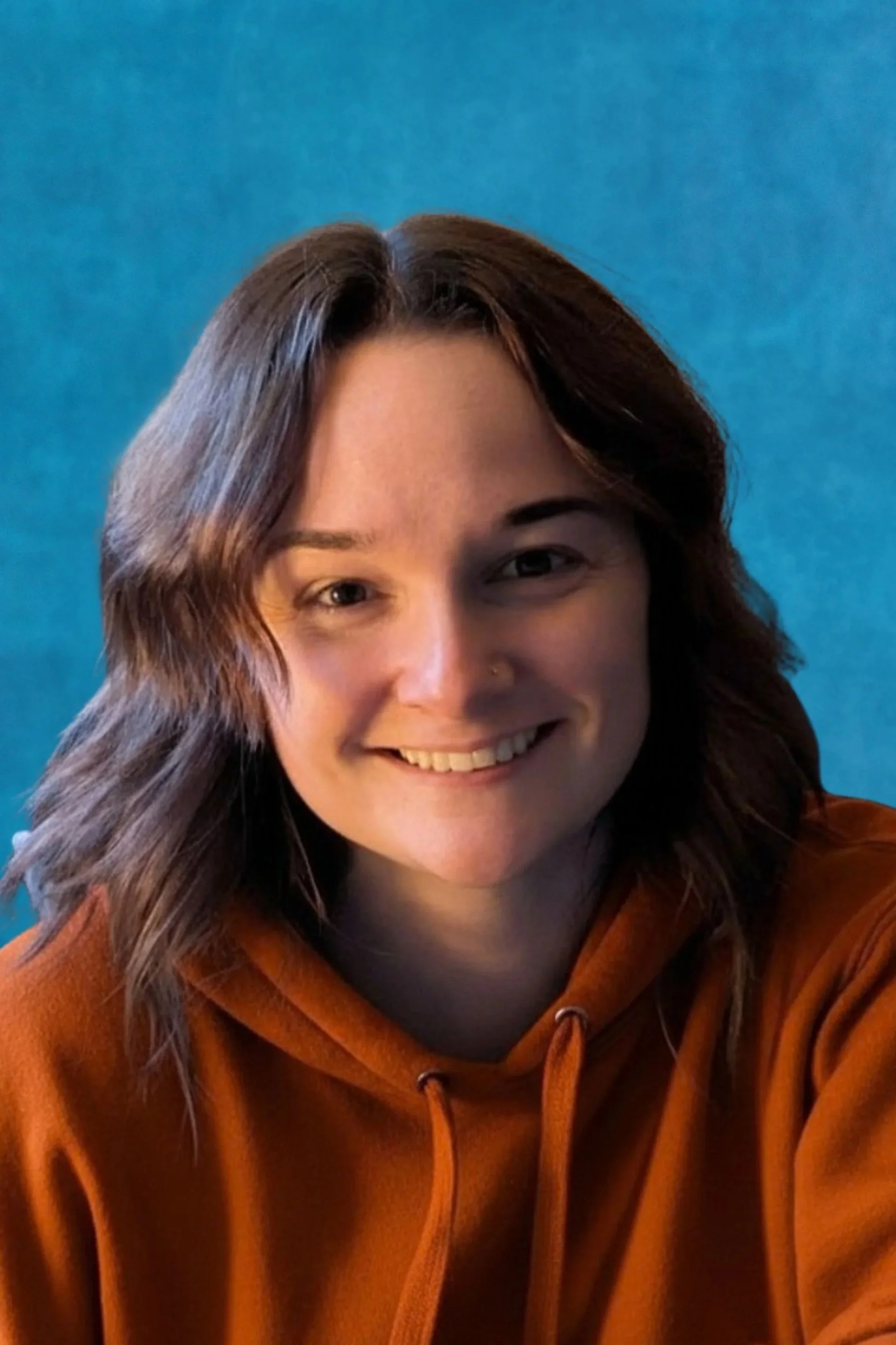
“I will quickly show you there is no hierarchy in the therapy room, everyone is human, and we are not allergic to humour.”
— Alana Dulgaro

General Information
Availability:
Wednesdays and Thursdays
Location:
Here Completely, Level 9, 131 York Street, Sydney NSW 2000
Appointments:
In-person and telehealth
Who Alana works with:
Young adults and adults, individually
Individual sessions:
$280 per session
Medicare rebates:
Available with an eligible referral and treatment plan
Private health insurance:
Some clients claim through private health insurance. Check your policy for cover
Languages:
English
Pronouns:
She/her
Alana’s three main areas of focus are LGBTQ+ mental health, autistic and ADHD mental health, and body image and self-worth.
She especially enjoys supporting LGBTQ+ people, neurodivergent people and high achievers with hidden challenges.
Style of Therapy
Down-to-earth, collaborative, reflective, gently challenging, creative, practical, with a bit of humour.
Alana asks questions, observes, offers psychoeducation and practical strategies, and gently highlights and reflects back patterns. She also invites clients into experiential exercises to work with those patterns, helping logical insights become deeper, felt beliefs.
Her approaches include:
Eye Movement Desensitisation and Reprocessing (EMDR)
Schema Therapy
Radically Open Dialectical Behaviour Therapy (RO DBT)
DBT skills training
Enhanced Cognitive Behaviour Therapy for eating disorders (CBT-E)
Specialist Supportive Clinical Management (SSCM)
Cognitive Behaviour Therapy (CBT)
Acceptance and Commitment Therapy (ACT)
How Alana Works With Each Person
Alana mostly uses treatment models that work across diagnoses, centring interventions on her understanding of the person and the factors contributing to their difficulties.
She tailors assessment and therapy through a neurodiversity-informed, LGBTQ+ affirming, trauma-informed and weight-neutral perspective, and follows the Health at Every Size framework.
Progress can look like increasingly relaxed body language in sessions, a brighter outlook, and more frequent acts of self-respect and body respect in daily life. It may involve increased self-compassion, more assertive communication, a healthier relationship with oneself, releasing grief and making more personally aligned choices. Clients are sometimes surprised these changes were possible.
Other things you and Alana might address
Neurodivergence, including ADHD, autism and dyslexia, and giftedness
Anxiety, overthinking, panic and social worries
Depression and low mood
Burnout, perfectionism and workplace stress
LGBTQIA+ identities, gender and sexuality
Consensual non-monogamy, polyamory and open relationships
Communicating feelings and needs, and setting boundaries
Self-esteem, shame and feelings of inadequacy
Trauma, PTSD and experiences of family or relational abuse
OCD and phobias
Life transitions
Living with disability, chronic illness or chronic pain
Camila offers individual therapy, including support with relationship concerns.
What is therapy with Alana like?
How Can Therapy Help Autistic and ADHD Adults?
Therapy can support clients in unpacking and re-evaluating past experiences through the lens of neurodivergence. It can also help with ongoing challenges and the questions about identity and lifestyle that can come with late-identified neurodivergence.
Alana offers collaborative, tailored mental health interventions with specific consideration for the social and systemic factors affecting the neurodivergent community.
What Does Support for LGBTQ+ Mental Health Involve?
Alana offers collaborative, tailored mental health interventions that consider the particular social and systemic factors affecting the LGBTQ+ community.
Her approach is LGBTQ+ affirming and considers each person’s concerns in the context of their life and experiences.
When Might Someone Seek Help for Body Image and Self-Worth?
If daily life involves a lot of people-pleasing, self-doubt, social anxiety, escapism, fears of judgement or feelings of shame, it may be a good time to seek help.
The same applies when someone is having trouble in their relationship with food, intimacy or movement.
How Does Alana Approach Eating Disorders?
Alana wants to correct the misconception that eating disorders and body image struggles are a choice, easy to “just get over”, or simply about vanity.
Eating disorders can be serious, complicated and self-perpetuating. Willpower is not the problem, and it is not the focus of her work.
Alongside food, therapy considers self-worth, relationships, emotional awareness and trauma recovery. This can include the effects of sexism, racism, healthism, homophobia, transphobia, ageism, ableism, weight bias and other experiences of discrimination.
She also wants to challenge the idea that an eating disorder can never get better. Recovery is possible with appropriate intervention and a treatment team.
What Can a New Client Expect in Their First Session?
Gentle introductions, exploring goals and understanding the broader context. Alana focuses on building rapport and helping clients feel comfortable in the therapeutic environment, with no pressure to share heavy details or relive past experiences.
There may be some light supportive counselling, early insights into what is happening, and a few take-home strategies where helpful.
How Can Someone Know Whether Alana Might Be the Right Therapist?
Alana may be a good fit for someone looking for a longer-term therapist who understands neurodivergence and queer identity, and balances deeper emotional exploration with practical and strategic interventions.
She tends to work best with people who are curious, thoughtful and capable, and looking for support they cannot simply give themselves. She especially enjoys working with people who are motivated and ready to do some deeper work.
Can Someone Enquire Without Knowing Where to Start?
Yes. Alana and the client can figure it out together.
What Would Alana Want Someone Who Is Nervous About Therapy to Know?
Some of the most worthwhile steps in life start with nervousness. It is normal to feel nervous about a first session, and that feeling often eases as the person settles in.
Is a Diagnosis or Clearly Defined Problem Needed?
No. Simply considering getting in contact is reason enough.
How Often Do Clients Attend, and How Long Might Therapy Take?
Most of Alana’s clients attend weekly for the first three sessions, then fortnightly after that.
How long therapy takes depends on what the client wants to get out of it and the circumstances they are working with. Goals and options can be discussed in the first few sessions.
What Do People Find Surprising About Working With Alana?
People are often surprised by how seen and understood they feel by the time they leave. They also describe feeling more relaxed than before they came in.
Does Alana Offer Online Sessions?
Yes. Alana offers both online sessions and in-person appointments at Here Completely’s York Street rooms in Sydney CBD.
What Do Sessions Cost, and Are Rebates Available?
Alana’s standard session fee is $280.
Medicare rebates are available with eligible mental health treatment plans, eating disorder treatment plans and chronic condition management plans. Some clients use private health insurance instead. Eligibility and cover should be checked before booking.
What Alana’s About
Alana was an observant kid who was always asking “why?” Then she was an athlete who came across psychology as a way to enhance performance and fell in love with it.
A range of lived experiences and observations showed her how dramatic and relentless the human mind can be in controlling someone’s experience of their own life. She also saw how heavily the mind can be influenced by external pressures such as stigma, minority stress and disability, which really is not fair.
Now she is on a mission to help people better understand and relate to their minds so they can live in a way that feels more fulfilling from the inside out.
Neurodivergence and LGBTQIA+ mental health are very close to her heart. So is spirituality. She spent her younger life as a high-level athlete, training 22 hours a week and maintaining “high functioning” while masking a number of challenges that gave her a strong lived experience perspective.
Alana has a lifelong passion for metaphysics and spirituality. She is currently interested in states of consciousness, and how some of the mindfulness and attention-based mechanisms involved in therapies such as EMDR and ACT might be understood through this lens.
This is the only job that gives her chills. It is meaningful, it matters, it lets her be for others what she thinks everyone has needed at some point in their lives, and it never gets boring.
Outside work, she enjoys being in nature, eating good food, swimming, and doing creative, crafty things with the people she loves.
She hopes clients feel empowered, understood and deeply seen.
Credentials
Alana Dulgaro
Registered Psychotherapist
Qualifications
Bachelor of Psychology
AHPRA-registered psychologist
Credentialed Eating Disorder Clinician
Member of the Australian Association of Psychologists Inc. (AAPI)
Alana has been practising for 10 years.
Alana has memberships in the following Psychology peak bodies